Compare Local Contractors for Trench Installation Success
Compare local contractors for trench installation to define scope, verify experience, and set clear expectations for a successful project.
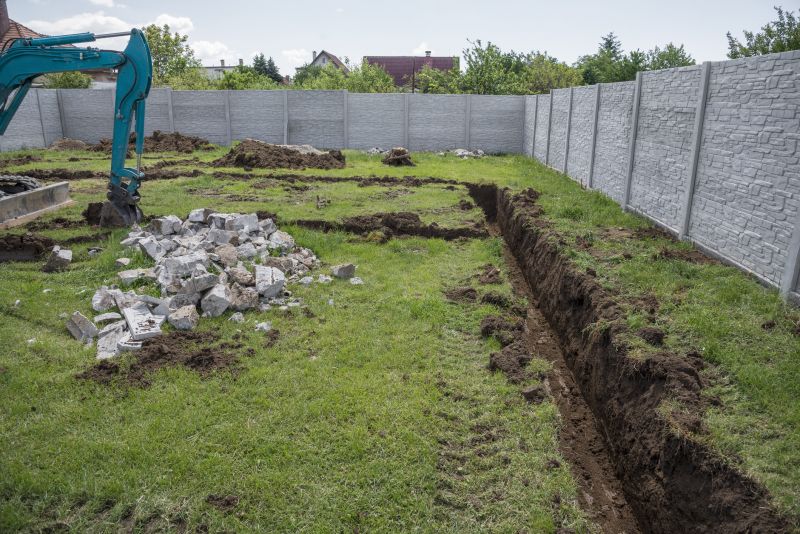
Trench installation services typically cover a range of tasks related to digging, shaping, and preparing trenches for various property improvements. These projects might include installing underground utilities such as water lines, electrical conduits, or drainage systems, as well as creating foundation footings or irrigation lines. Proper trench work requires careful planning to ensure that the trenches are excavated to the correct depth and width, with appropriate support and safety measures during and after the excavation process. Understanding the scope of trench work helps property owners clarify what is involved and ensures that all necessary components are included in the project.
Defining the scope of trench installation work is essential to establish clear expectations and avoid misunderstandings. Property owners should work with service providers to specify the dimensions, locations, and purpose of the trenches, as well as any related tasks such as backfilling, compaction, or surface restoration. Having these details in writing provides a reference point throughout the project and helps ensure that the work aligns with the property’s needs. Additionally, discussing the scope upfront allows property owners to verify that the contractor’s experience and capabilities match the requirements of the job, fostering a smoother project process.
When comparing local contractors for trench installation, property owners should consider their experience with similar projects and their familiarity with local regulations or site conditions. It’s beneficial to review the scope of work each contractor proposes and ask about their approach to excavation, safety measures, and project management. Verifying references or seeking recommendations can provide insight into a contractor’s reliability and quality of work. By gathering detailed information and clarifying expectations in writing, property owners can make more informed decisions and select service providers who are well-equipped to handle the specific demands of trench installation in their area.
Compare local contractors by outlining project priorities, verifying experience, and clearly defining scope and expectations in writing.
- Define the Scope of Work - Clearly outline the trench installation requirements to ensure mutual understanding with service providers.
- Verify Experience and References - Assess the background of local contractors to confirm their familiarity with trench installation projects.
- Compare Qualifications and Services - Review different contractors’ expertise and offerings to identify the best match for the project needs.
- Document Expectations in Writing - Ensure all project details, responsibilities, and expectations are recorded to prevent misunderstandings.
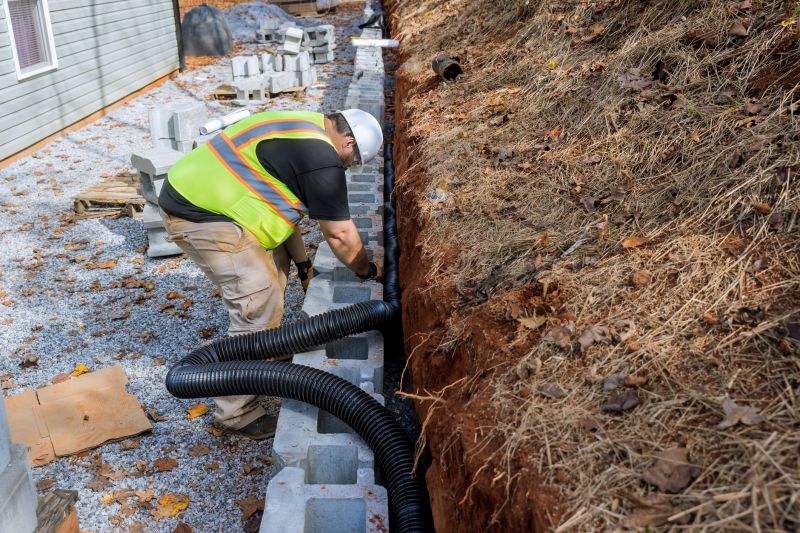
Before comparing contractors for trench installation, clearly describe your project scope and verify their experience in writing.
- Verify the contractor’s experience with trench installation projects similar in scope and complexity. - Ensure the service providers clearly define the scope of work and deliverables in writing before starting the project.
- Assess the contractor’s understanding of site-specific requirements, including soil conditions and utility locations. - Confirm that the contractors have a plan to address potential challenges related to the installation site.
- Check that the contractor provides detailed project plans, including safety measures and work procedures. - Make sure expectations regarding project milestones and responsibilities are documented and agreed upon.
- Review the contractor’s credentials for insurance coverage and liability protection. - Confirm that the service providers carry appropriate insurance to mitigate potential risks during trench installation.
- Compare quotes and scope details from multiple local contractors to ensure transparency and consistency. - Look for clear explanations of included services and any potential additional work that may arise.
- Ensure that the contractor has a process for handling change orders and unexpected issues in writing. - Establish how modifications to the scope will be documented and approved during the project.
Use this as a starting point to compare local contractors, clarify scope, and set clear expectations.
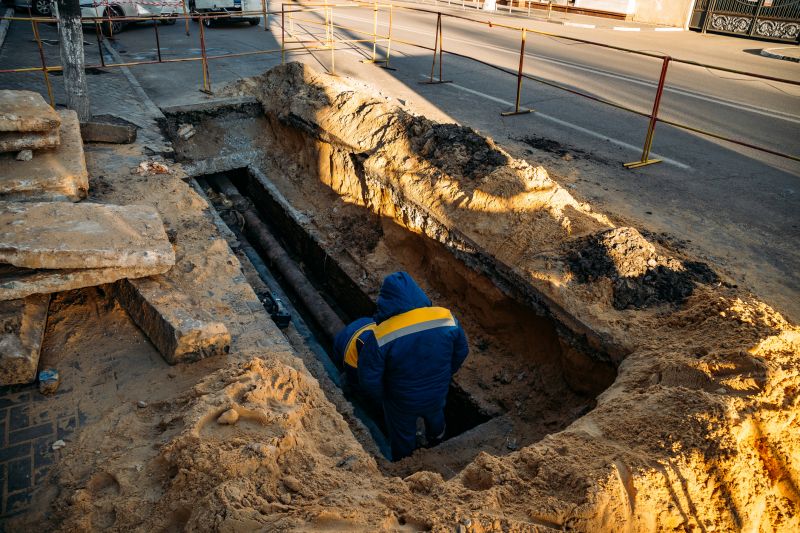
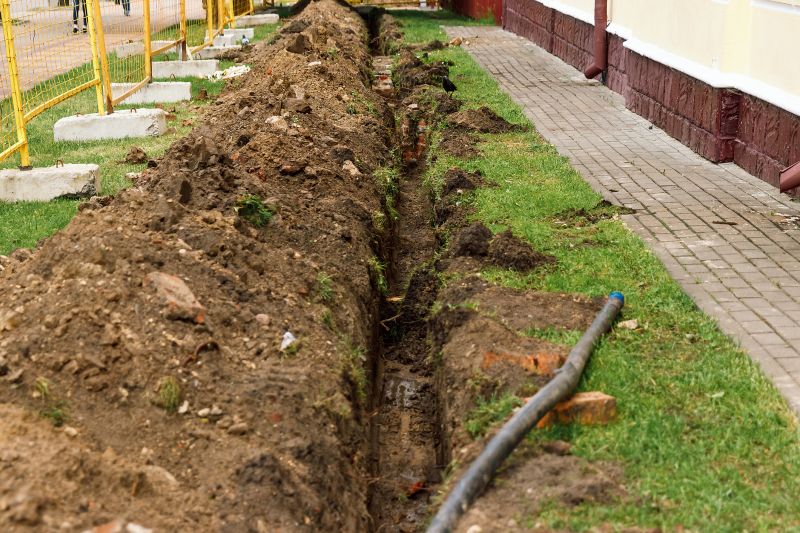
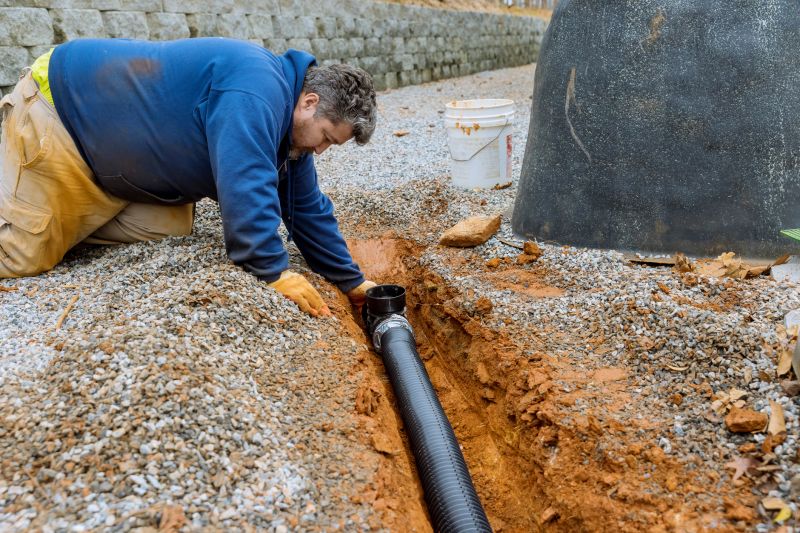
Use clear, consistent comparison criteria to evaluate local contractors’ scope, experience, and written expectations.
- Scope Definition - Clearly outline the specific trench installation tasks required for the project.
- Experience Verification - Confirm that local contractors have relevant experience with trench installation in similar environments.
- Material Specifications - Specify the types of materials and equipment to be used during trench excavation and backfilling.
- Work Area Preparation - Describe the necessary site preparation steps to ensure safe and efficient trench installation.
- Documentation and Expectations - Ensure all project details, including scope and responsibilities, are documented and agreed upon in writing.
When comparing contractors for trench installation, it is important to evaluate their experience with projects similar to the scope at hand. Homeowners should inquire about the types of trenching work the service providers have completed, ensuring they have a track record of handling projects comparable in size and complexity. Contractors with relevant experience are more likely to understand the specific challenges involved and to deliver results that meet expectations.
A clear, written scope of work is essential for setting proper expectations and ensuring all parties are aligned. Homeowners should seek detailed descriptions of the services included, such as the length, depth, and purpose of the trenches, as well as any site preparation or cleanup involved. Having a documented scope helps prevent misunderstandings and provides a reference point for evaluating whether a contractor’s proposal covers all necessary aspects of the project.
Verifying the basics of a contractor’s background involves confirming their familiarity with local site conditions and understanding their approach to trench installation. It is advisable to ask about their methods for ensuring safety, accuracy, and quality during the work. Additionally, homeowners can request references or examples of completed projects to verify that the contractor’s experience aligns with the specific requirements of the trenching task.
When evaluating options, it is helpful to compare how each service provider defines the scope of work and the methods they plan to use. Homeowners should review written proposals carefully, paying attention to the level of detail provided and how well the scope matches project needs. Asking service providers about their process for handling unexpected issues or changes can also clarify how adaptable and transparent they are. This thorough comparison approach ensures that the selection process is based on the contractor’s expertise, clarity, and approach, rather than price alone.
Ask contractors to provide written scope details to ensure clear expectations and consistent project understanding.
- Experience and Expertise - What specific experience do local contractors have with trench installation projects similar to yours?
- Scope of Work - How do local service providers define and outline the scope of trench installation to ensure all project aspects are covered?
- Materials and Methods - What materials and installation methods do contractors recommend, and how do they compare in terms of durability and suitability?
- Project Expectations - How do local contractors clarify project expectations and deliverables in writing to prevent misunderstandings?
- Comparison Criteria - What criteria do local service providers suggest using to compare their qualifications, experience, and scope of services?
How can I compare contractors for trench installation? Comparing local contractors involves reviewing their experience, verifying references, and assessing their scope of work to ensure they meet project requirements.
What should I consider when defining the scope of trench installation? Clearly outline the trench dimensions, purpose, and any specific site requirements to help contractors provide accurate proposals and avoid misunderstandings.
How do I verify the experience of potential trench installation contractors? Ask for details about their past projects, request references, and check if they have handled similar trench installation jobs in your area.
Why is it important to get project details in writing? Having a written agreement ensures that the scope, responsibilities, and expectations are clear, helping prevent disputes and misunderstandings later on.
What questions should I ask contractors during the comparison process? Inquire about their experience, methods, equipment used, and how they handle unexpected issues to gauge their suitability for your project.
How can I ensure the contractor understands my project needs? Communicate your project scope thoroughly, ask for detailed proposals, and confirm that all expectations are documented before work begins.
Choosing the right contractor for trench installation involves understanding how to clearly define the scope of work, verify experience, and set expectations in writing. This process helps ensure that projects are planned effectively and that all parties are aligned on the requirements. Comparing different service providers allows for a better understanding of available options, making it easier to find a contractor who can meet specific project needs.
Using the quote form provides a straightforward way to connect with local contractors who can handle trench installation. It offers an opportunity to gather information, ask questions, and compare your options without obligation. Taking the time to explore local service providers can help facilitate a smooth and informed decision-making process.